Research roundup: Six cool science stories we almost missed

March 3, 2026
Research roundup: Six cool science stories we almost missed

Here’s something that caught my attention — scientists are reviving a forgotten battery design from Thomas Edison that could change the game for renewable energy. Imagine a battery capable of powering electric cars for over 100 miles, with a long lifespan and quick recharge — sounds ideal, right? According to Jennifer Ouellette writing in Technology, an international team has recreated Edison’s nickel-iron battery concept, which had fallen out of favor because of its limitations back in the day. But now, with modern tech, it’s got a real shot at making electric vehicles more practical and sustainable. What’s fascinating here is how old ideas can get a fresh new life with a bit of innovation, and how that could impact our transition to cleaner energy. So, keep an eye on this — because if Edison’s old dream becomes a reality, we might see a big shift in how we power our world.

It’s a regrettable reality that there is never enough time to cover all the interesting scientific stories we come across each month. So every month, we highlight a handful of the best stories that nearly slipped through the cracks. February’s list includes the revival of a forgotten battery design by Thomas Edison that could be ideal for renewable energy storage; a snap-on device to turn those boxers into "smart underwear" to measure how often we fart; and a dish of neurons playing Doom, among other highlights.

Reviving Edison's battery design
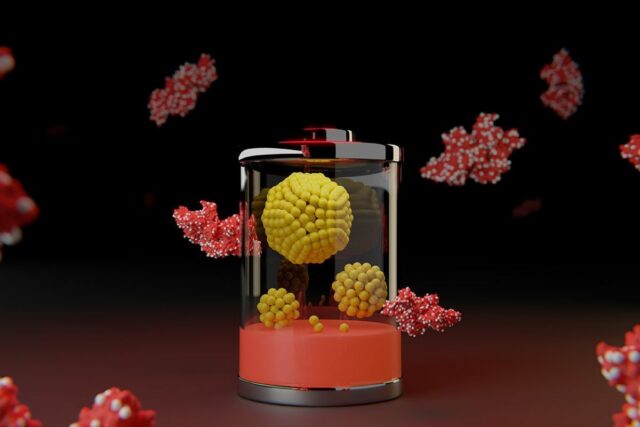
An illustration symbolizes new battery technology: Proteins (red) hold tiny clusters of metal (silver). Each yellow ball in the structures at center represents a single atom of nickel or iron. Credit: Maher El-Kady/UCLA

At the onset of the 20th century, electric cars powered by lead-acid batteries outnumbered gas-powered cars. The internal combustion engine ultimately won out, in part because those batteries had a range of just 30 miles. But Thomas Edison believed a nickel-iron battery could extend that range to as much as 100 miles, while also having a long life and recharging times of seven hours. An international team of scientists has revived Edison's concept of a nickel-iron battery and created their own version, according to a paper published in the journal Small.

Read full article

Comments

Audio Transcript

It’s a regrettable reality that there is never enough time to cover all the interesting scientific stories we come across each month. So every month, we highlight a handful of the best stories that nearly slipped through the cracks. February’s list includes the revival of a forgotten battery design by Thomas Edison that could be ideal for renewable energy storage; a snap-on device to turn those boxers into "smart underwear" to measure how often we fart; and a dish of neurons playing Doom, among other highlights.

Reviving Edison's battery design

An illustration symbolizes new battery technology: Proteins (red) hold tiny clusters of metal (silver). Each yellow ball in the structures at center represents a single atom of nickel or iron. Credit: Maher El-Kady/UCLA

At the onset of the 20th century, electric cars powered by lead-acid batteries outnumbered gas-powered cars. The internal combustion engine ultimately won out, in part because those batteries had a range of just 30 miles. But Thomas Edison believed a nickel-iron battery could extend that range to as much as 100 miles, while also having a long life and recharging times of seven hours. An international team of scientists has revived Edison's concept of a nickel-iron battery and created their own version, according to a paper published in the journal Small.

Read full article

Comments

0:00/0:00
Research roundup: Six cool science stories we almost missed | Speasy