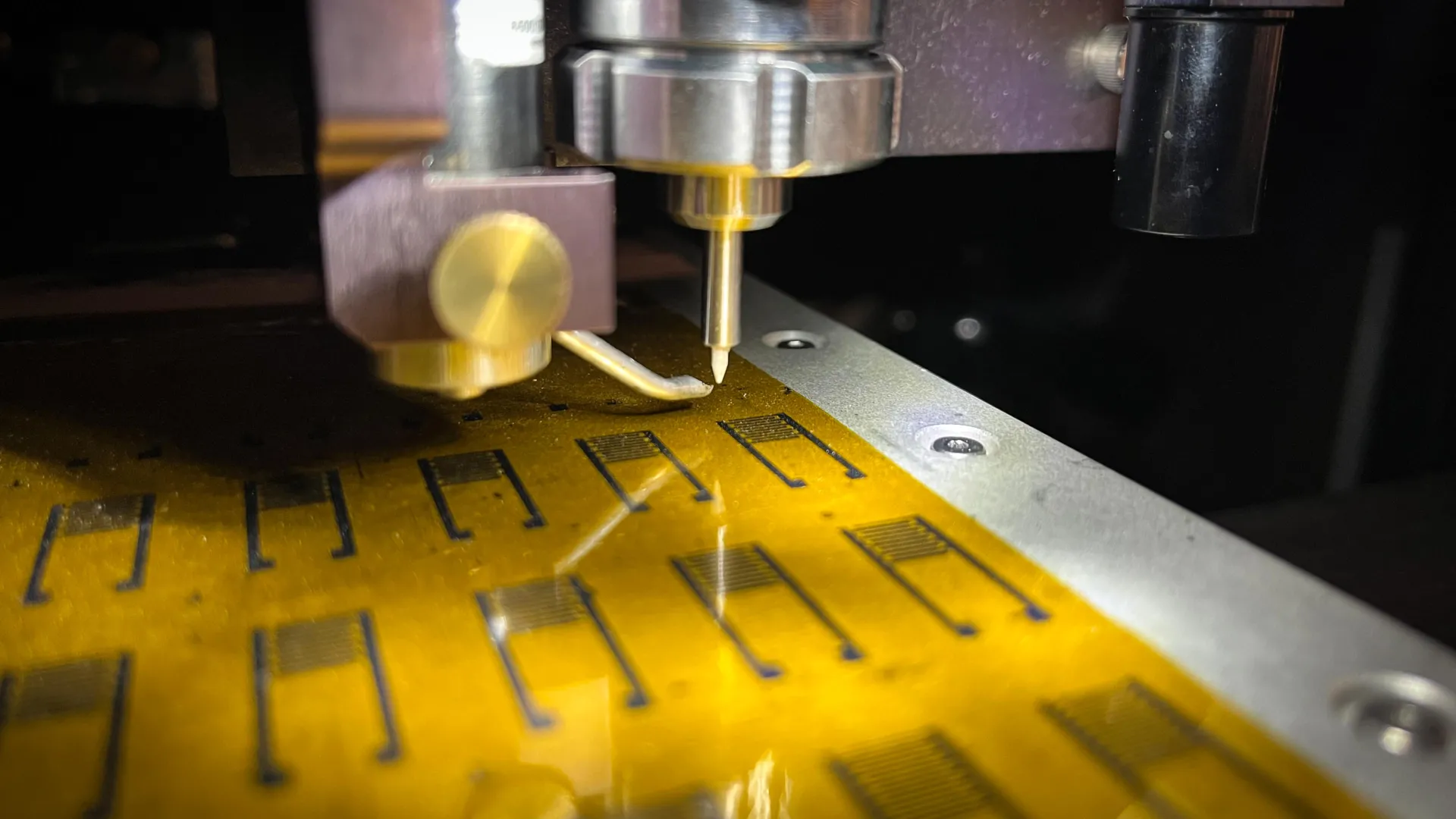
Artificial neurons successfully communicate with living brain cells

Imagine a tiny, flexible device — printed with precision — that can send real electrical signals straight to living brain cells. That’s exactly what engineers at Northwestern University have achieved, and it’s a game-changer. According to AI, these artificial neurons are not just static circuits; they’re dynamic, low-cost, and capable of communicating with actual neurons in mouse brain tissue. Now, here’s where it gets fascinating — this breakthrough paves the way for merging machines with the human brain more seamlessly. These artificial neurons can activate real brain cells, opening doors to new treatments for neurological disorders or even brain-machine interfaces that feel natural. As AI reports, this isn’t just about smarter robots; it’s about bridging the gap between biology and technology in a way we’ve only dreamed of. So what does this actually mean? Well, in the next few years, we might see devices that don’t just read signals from our brains but actually talk back — creating a whole new level of connection, control, and understanding.
Audio Transcript
0:00/1:06